
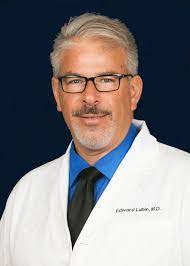
Long-Term Pain Management Guided by Dr. Edward Lubin’s Expertise
Long-term pain management requires a more strategic, structured and patient-focused method compared to single-session relief solutions. Instead of offering temporary comfort, long-term care aims to reduce pain intensity, support functional recovery and protect the body against future aggravation. Dr Edward Lubin approach focuses on evaluating the cause of pain, understanding patient lifestyle patterns and applying controlled, well-planned methods to gradually restore comfort and strength.
How Does Dr. Lubin Customize Long-Term Plans for Different Patients?
Every person experiences chronic pain differently. Dr. Lubin takes time to identify underlying conditions, medical history, activity demands and daily challenges before building a long-term plan. Each strategy is developed in stages, so patients can progress confidently and safely. By combining structured techniques, physical improvement-focused direction and tailored adjustments, his long-term pain plans are created to align with individual needs and deliver steady results with minimal disruption to daily routines.
Why Are Consistency and Progress Tracking Important in Long-Term Pain Relief?
Long-term management cannot succeed without consistent monitoring and progress evaluation. Dr Edward Lubin places major focus on routine reassessments to measure improvement, identify changes in pain patterns and determine when adjustments are needed. This allows treatment growth to be aligned with the patient’s healing response over time. Regular evaluation prevents slow progress from going unnoticed and helps ensure that each stage continues to support meaningful recovery.
How Does Dr. Lubin Support Patients in Strengthening Body Mechanics Over Time?
When treating pain that has lasted weeks, months or years, rebuilding physical capacity becomes a critical component. Dr. Lubin guides patients through targeted support that works toward improving movement quality, correcting imbalances, protecting joints and increasing muscle resilience. These elements help maintain strength, improve flexibility and reduce stress on weakened structures. Over time, individuals can experience easier movement, improved comfort in daily activities and more sustainable body mechanics.
Why Is Ongoing Patient Education Essential in Long-Term Care Plans?
Education helps patients understand what influences pain and how to participate in managing it. With individualized guidance, Dr Edward Lubin encourages patients to be involved in their recovery through posture management, activity awareness and healthy movement habits. When individuals understand the “why” behind their treatment steps, they become more confident in their role and more motivated to maintain supportive routines outside of clinic visits.
Conclusion
Long-term pain management guided by Dr. Edward Lubin’s expertise goes beyond temporary relief by integrating progressive planning, precision evaluation and continuous patient support. Through focused care, adaptive treatment pathways and functional guidance, patients gain a stronger foundation for lasting comfort, improved movement and better quality of life.