
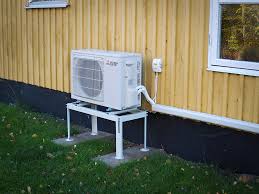
Air Source Heat Pump vs Electric Radiators: Which is More Efficient?
Choosing the right heating system for your home is a big decision, affecting both your comfort and your energy bills. Two popular options are Air source heat pump (Luftvärmepump) (ASHPs) and electric radiators. While both use electricity, they work in very different ways, leading to significant differences in efficiency. This guide breaks down the numbers to help you understand which system might be the better choice for your home.
How efficient is an air source heat pump?
An air source heat pump doesn’t create heat by burning fuel; instead, it moves existing heat from the outside air into your home. This process is incredibly efficient. For every unit of electricity an ASHP consumes, it can generate three to four units of heat. This gives it an efficiency rating of 300% to 400%. This high efficiency means lower running costs and a smaller carbon footprint compared to many traditional heating systems.
How efficient are electric radiators?
Electric radiators work by converting electricity directly into heat. This conversion process is 100% efficient, meaning for every unit of electricity you pay for, you get one unit of heat. While this sounds perfect, it’s far less efficient than an ASHP. Since electric radiators don’t leverage existing heat from the environment, they require significantly more electricity to produce the same amount of warmth as a heat pump.
The Verdict: Which System Wins on Efficiency?
When it comes to pure efficiency, the air source heat pump is the clear winner. With an efficiency rating of 300-400%, it delivers far more heat for every unit of electricity compared to electric radiators, which operate at 100% efficiency. Over time, this superior performance can lead to substantial savings on your energy bills. While the initial installation cost for an ASHP might be higher, the long-term running costs are often much lower, making it a more economical and environmentally friendly choice for heating your home.
Which is cheaper to run, an air source heat pump or electric radiators?
An air source heat pump is significantly cheaper to run because it generates 3-4 units of heat for every unit of electricity, whereas electric radiators generate only 1 unit.
Are electric radiators easier to install?
Yes, electric radiators are typically simpler and cheaper to install than an air source heat pump, which requires a more complex setup including an outdoor unit.
Do air source heat pumps work in very cold weather?
Modern ASHPs are designed to work effectively even in cold temperatures, though their efficiency may decrease slightly as it gets colder. Many models can operate efficiently in temperatures well below freezing.