
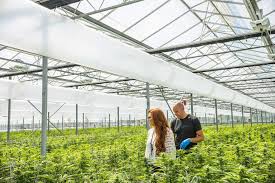
Advanced Cannabis Climate Control Systems for Commercial Growers
As the commercial cannabis industry expands rapidly, climate control has emerged as a critical factor in optimizing yield, potency, and operational efficiency. Advanced Cannabis Climate Control systems are transforming how commercial growers manage their facilities, ensuring consistent plant health and maximizing returns. Here’s a closer look at this evolving technology.
Why are climate control systems essential for cannabis cultivation?
Commercial cannabis cultivation requires precise environmental conditions to thrive. Temperature, humidity, CO₂ levels, and airflow all significantly impact plant growth. Research shows that even a 2-3°C fluctuation in temperature can reduce yield by up to 10%, while improper humidity can increase the risk of mold and pest infestations. Advanced climate control systems allow growers to maintain optimal conditions throughout the facility, ensuring consistent quality and reducing losses.
What features define advanced cannabis climate control systems?
Modern systems integrate multiple technologies to create a fully automated environment. Key features include:
Real-time monitoring: Sensors track temperature, humidity, and CO₂ levels continuously.
Automated adjustments: HVAC and dehumidification units respond instantly to environmental changes.
Data analytics: Historical data allows growers to identify trends, optimize conditions, and predict maintenance needs.
Remote access: Cloud-connected systems enable monitoring and adjustments from anywhere, reducing the need for onsite intervention.
How do these systems impact operational efficiency?
Advanced climate control systems can significantly reduce energy consumption and labor costs. According to industry studies, automated environmental management can lower energy use by up to 25%, while minimizing human error in plant care. Additionally, consistent environmental conditions help maintain uniform growth cycles, reducing crop variability and enhancing product consistency.
Are there measurable benefits in yield and quality?
Yes. Growers who implement precise climate control report average yield increases between 15% and 20%. Controlled CO₂ enrichment, optimal temperature, and humidity management contribute to faster growth, larger buds, and higher cannabinoid concentrations. This directly translates into higher revenue per square foot, which is critical in high-density commercial facilities.
What challenges do growers face when implementing these systems?
Initial investment costs can be significant, and integrating multiple environmental controls requires technical expertise. However, long-term savings in energy, labor, and crop loss often outweigh the upfront expenditure. Regular maintenance and calibration are necessary to ensure accuracy, and growers should invest in training to maximize system benefits.
How is technology evolving in this space?
The latest advancements include AI-driven predictive analytics, machine learning for optimizing plant growth patterns, and integration with hydroponic or vertical farming systems. Some systems can anticipate plant stress before visible symptoms appear, allowing preemptive adjustments to environmental conditions.
Conclusion
Advanced cannabis climate control systems are no longer optional for commercial growers aiming for high yields, consistent quality, and operational efficiency. With measurable impacts on productivity and profitability, these systems represent a strategic investment for any professional cannabis operation. As the industry grows, adopting cutting-edge environmental management technology will be critical to staying competitive.