Tradingsphere Broker Insights for Future Trading Success: Market Trends and Data-Driven Outlook
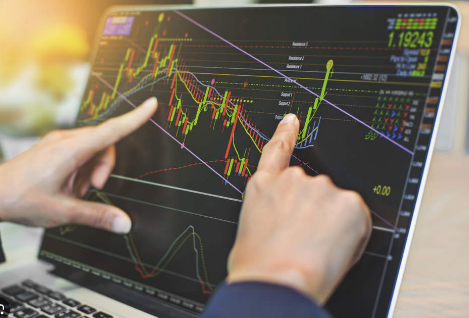
Modern financial markets continue to evolve rapidly as traders rely more on advanced platforms, analytical tools, and data-driven decision-making. In this dynamic environment, tradingsphere broker services have become increasingly relevant for both new and experienced traders seeking structured access to global opportunities. The integration of technology, liquidity solutions, and risk management frameworks is reshaping how trading is executed across currency, commodities, and indices. Investors now prioritize transparency, execution speed, and platform stability, which are critical factors influencing performance outcomes. As competition intensifies, brokers are focusing on delivering improved user experiences, educational resources, and analytical dashboards that support smarter investment strategies in volatile market conditions.
Recent market observations highlight significant growth in digital trading participation, with increasing adoption across mobile and web-based platforms. Trading volumes have expanded steadily as global connectivity improves access to financial instruments. Data suggests that liquidity depth and order execution speed remain key determinants of trader satisfaction and retention. Risk exposure management is becoming more structured, with users applying diversified strategies across asset classes. Behavioral analysis indicates that traders are increasingly relying on technical indicators and algorithmic signals to guide entry and exit points. Additionally, market sentiment continues to play a crucial role in short-term volatility, influencing decision-making patterns across retail and institutional participants. These evolving statistics demonstrate a shift toward technology-enabled trading ecosystems prioritize efficiency and transparency in transaction cycle.
Industry insights suggest that successful trading strategies depend heavily on discipline, consistency, and informed decision-making. Traders who maintain structured approaches tend to perform better during periods of high volatility. Access to real-time data and advanced charting tools enhances the ability to identify market trends early. Emotional control remains a critical factor, as impulsive decisions often lead to unnecessary losses. Portfolio diversification is widely recognized as a method to reduce risk exposure while maintaining growth potential. Furthermore, continuous learning and adaptation are essential in an environment where financial conditions change rapidly. The increasing role of automation and algorithm-based systems is also reshaping how trades are executed, offering improved precision and reduced human error in fast-moving markets over time in global markets.
Frequently observed questions among traders focus on market stability, platform efficiency, and long-term profitability. Many participants ask how consistent strategies can be maintained in unpredictable environments. The key answer lies in structured planning, risk assessment, and disciplined execution. Another common query relates to the importance of analytics in improving trading outcomes, where data interpretation plays a vital role. Users also explore how technology integration supports faster decision cycles and improved accuracy. Overall, trading success is closely linked to adaptability, informed judgment, and continuous improvement. As markets evolve, staying updated with emerging trends becomes essential for sustainable performance and financial growth in modern trading environments globally today.