
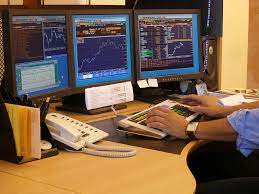
What Is Proprietary Trading? A Deep Dive into the Industry
proprietary trading, often referred to as prop trading, is a unique and dynamic field within the financial sector that involves financial institutions, hedge funds, or proprietary trading firms trading securities, derivatives, and other financial instruments using their own capital. Unlike traditional investing, proprietary trading focuses primarily on generating profits for the trading firm itself, rather than on behalf of clients.
Key Characteristics of Proprietary Trading
Proprietary trading stands out from other financial operations because of its direct reliance on a firm’s capital. Below are the core attributes that differentiate it in the industry:
• Firm-Owned Trading Capital
•
Prop traders engage with the firm’s money rather than external client investments. This creates a high-stakes environment where firms can amplify profits but also face potential losses.
• Leverage Intensive
•
Most proprietary trading strategies rely heavily on leverage to take significant positions, increasing the potential rate of return.
• Wide Range of Financial Instruments
•
From derivatives like options and futures to equities, forex, and commodities, proprietary traders use diverse instruments to optimize their positions and target high returns.
Why Firms Engage in Proprietary Trading
Proprietary trading offers enormous potential benefits for financial institutions and trading firms willing to assume associated risks. Key motivations include:
• Profit Potential
•
By trading on their own accounts, firms can capitalize on market movements directly, making it a lucrative endeavor when designed and executed well.
• Market Liquidity
•
Prop trading desks often provide liquidity to markets, which stabilizes pricing for retail and institutional investors alike.
• Innovative Strategies
•
The flexibility to develop and test new market strategies without external constraints can lead to proprietary algorithmic tools or trading methods unique to the firm.
Challenges and Risks
While the potential rewards are compelling, proprietary trading comes with its share of challenges like market volatility, regulatory constraints, and the high potential for financial losses due to leveraged positions.
Understanding proprietary trading is vital for anyone looking to explore opportunities in finance or develop a deeper insight into institutional market behavior. This fast-paced and high-pressure field continues to shape modern financial markets.