
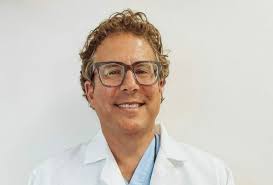
Advances in Oncology Explained by Dr. Scott Kamelle
What are the latest advancements in cancer treatment?
Dr. Scott Kamelle explains that the field of oncology has seen remarkable progress in recent years. Traditional treatments like surgery, chemotherapy, and radiation are now being complemented with targeted therapies and immunotherapy. These newer approaches focus on attacking cancer cells more precisely while minimizing damage to healthy tissue. For example, targeted therapy can block Dr Scott Kamelle specific proteins that allow cancer cells to grow, whereas immunotherapy helps the patient’s immune system recognize and destroy cancer cells.
How has personalized medicine changed cancer care?
Personalized medicine is a game-changer in oncology, according to Dr. Kamelle. Every patient’s cancer is unique, and personalized approaches allow doctors to tailor treatments based on genetic testing and molecular profiling. By analyzing the patient’s tumor at a molecular level, oncologists can predict which drugs will be most effective. This reduces unnecessary treatments and increases the chances of successful outcomes.
What role does early detection play in treatment success?
Early detection remains one of the most important factors in improving survival rates. Dr Scott Kamelle emphasizes that advancements in screening technologies, such as liquid biopsies and advanced imaging techniques, allow cancers to be caught earlier than ever before. Detecting cancer at an early stage often means less aggressive treatment is needed and significantly improves prognosis.
Are there new developments in immunotherapy?
Yes, immunotherapy has advanced significantly in the past decade. Dr. Kamelle highlights that therapies like checkpoint inhibitors, CAR-T cell therapy, and cancer vaccines are helping patients whose cancers were previously considered difficult to treat. These treatments harness the body’s immune system to attack cancer more effectively, offering hope to patients with advanced or resistant forms of cancer.
How is technology improving oncology research?
Technology has become a critical tool in cancer research. According to Dr. Kamelle, artificial intelligence, machine learning, and big data are transforming how doctors understand and treat cancer. AI can help identify patterns in large datasets, predict treatment responses, and accelerate drug discovery. This means patients can benefit from new therapies faster than ever before.
What can patients expect in the future of oncology?
Dr. Kamelle believes the future of oncology is promising. We can expect more precise treatments, fewer side effects, and better quality of life for patients. Advances in genetic engineering, nanotechnology, and immunotherapy will continue to push the boundaries of what is possible. The focus will increasingly be on individualized care, early detection, and leveraging technology to make cancer treatment smarter and more effective.
Conclusion
Cancer care is evolving at an unprecedented pace. Thanks to experts like Dr Scott Kamelle , patients now have access to more personalized, effective, and less invasive treatments. While challenges remain, the continued collaboration between research, technology, and clinical care is offering hope to millions around the world.