
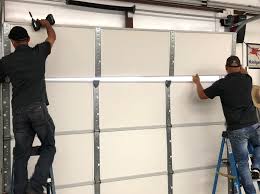
Commercial Automatic Gate Repair for Businesses and Facilities
For any facility or business, the perimeter fence and the automatic gate serve as the primary line of defense. They control access, protect assets, and ensure the smooth flow of traffic. However, mechanical systems are subject to wear and tear. When a gate malfunctions, it is not merely an inconvenience; it represents a breach in security and a disruption to daily operations.
Here are the most regarding commercial Automatic Gate Repair, focusing on the data and operational impact that facility managers need to understand.
Why is immediate repair critical for business operations?
Operational efficiency is directly tied to access control. When an automatic gate fails, the ripple effect is immediate. Delivery trucks face delays, employee access becomes bottlenecked, and the facility becomes vulnerable to unauthorized entry.
Industry data suggests that unplanned downtime for physical security infrastructure can cost businesses significantly in lost productivity. Prompt commercial automatic gate repair minimizes this downtime. Addressing issues at the first sign of trouble ensures that your logistics and security protocols remain intact.
What are the most common signs of imminent failure?
Recognizing the early warning signs can prevent a complete system shutdown. While sudden electrical failures do occur, mechanical issues often present symptoms beforehand.
Audible irregularities: Grinding or squealing noises suggest friction in the rollers or motor issues.
Slow response times: If the gate takes longer than usual to respond to remote commands or sensors, the control board or hydraulic systems may be compromising efficiency.
Misalignment: Visual inspection often reveals if a gate is sagging or off its track, which puts immense strain on the opener.
How does preventative maintenance impact long-term costs?
The philosophy of “run it until it breaks” is financially unsound for commercial equipment. Statistical trends in facility management consistently show that a preventative maintenance schedule reduces long-term repair costs.
Regular servicing allows technicians to identify worn components—such as chains, hinges, and safety loops—before they cause a catastrophic failure. Investing in routine inspections extends the lifecycle of the entire gate system, offering a better return on investment compared to the high costs associated with emergency replacements.
Why is professional compliance necessary for repairs?
Commercial gates are heavy, powerful machines that pose significant safety risks if not maintained according to strict standards.
Professional technicians adhere to safety codes, such as the UL 325 standards. These regulations dictate how automated gates must function to prevent entrapment and injury. DIY fixes or using unqualified personnel exposes the business to significant liability. Ensuring that your automatic gate repair is handled by certified professionals guarantees that all safety sensors, reversing mechanisms, and emergency release protocols are functioning within legal and safety parameters.
Conclusion
Maintaining the integrity of your perimeter access is a priority for secure and efficient business operations. By focusing on timely commercial automatic gate repair and adhering to a schedule of professional maintenance, facilities can ensure safety, compliance, and uninterrupted workflow.