Innovative Practices in Fire Watch Guard Services
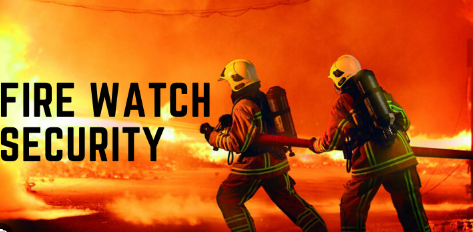
Fire Watch Guards are trained professionals who monitor workplaces, construction sites, and other high-risk areas to prevent fire hazards. Beyond traditional fire monitoring, innovative practices in the field are enhancing their effectiveness, allowing them to better protect lives, property, and operations. Studies indicate that facilities utilizing modern Fire Watch Guards methods experience significantly fewer fire incidents, highlighting the value of proactive and innovative approaches.
2. What are some innovative practices in Fire Watch Guard services?
Modern Fire Watch Guard services are integrating technology and advanced procedures to improve safety outcomes. This includes the use of mobile reporting systems, real-time communication tools, wearable sensors, and digital checklists. By leveraging these tools, Fire Watch Guards can document hazards instantly, coordinate effectively with teams, and respond quickly to emergencies. Data shows that sites using technology-assisted monitoring can reduce fire risks by up to 50% compared to traditional methods.
3. How do Fire Watch Guards use technology to prevent fire hazards?
Fire Watch Guards now often use mobile devices or apps to log safety inspections, track equipment status, and report potential risks immediately. Wearable sensors can detect heat, smoke, or hazardous gases in real time, alerting guards to early signs of fire. Combined with advanced communication tools, these innovations allow guards to respond faster and more accurately, minimizing fire damage and increasing overall safety.
4. Are these innovative practices only relevant in large facilities?
Not at all. Even small or medium-sized workplaces benefit from modern fire watch practices. Digital reporting, communication tools, and sensor technology make it easier to maintain vigilance, ensure quick responses, and document safety measures regardless of the facility’s size. Research shows that organizations of all scales experience reduced fire-related incidents when innovative monitoring practices are implemented.
5. How do Fire Watch Guards integrate proactive monitoring with emergency response?
Innovative Fire Watch Guard services focus on both prevention and rapid action. Guards use real-time data to anticipate potential hazards and take preventive measures before a fire occurs. In emergencies, technology allows instant alerts to teams and onsite personnel, enabling a coordinated and efficient response. Early intervention has been shown to reduce property damage by nearly 50% and prevent injuries, emphasizing the value of integrated monitoring and response.
6. What kind of training supports these innovative practices?
Fire Watch Guards receive specialized training in technology-assisted monitoring, data logging, and emergency coordination. They learn to use mobile reporting apps, sensor systems, and communication tools, along with traditional fire detection and response skills. This combination of modern and classic methods ensures guards are fully prepared to prevent incidents and manage emergencies effectively.
7. Are these practices cost-effective for organizations?
Yes. While implementing technology may require initial investment, innovative fire watch practices help prevent costly fire incidents, operational downtime, and property damage. Statistics indicate that workplaces with modern monitoring systems and proactive Fire Watch Guard practices experience fewer losses, making the approach financially beneficial in the long term.
8. In which industries are innovative Fire Watch Guard practices most valuable?
Industries with high fire risks—such as construction, manufacturing, warehousing, and commercial facilities—benefit the most. However, innovative practices are increasingly applied across diverse sectors, from event management to healthcare, improving safety and ensuring business continuity in any high-risk environment.
Conclusion:
Innovative practices in Fire Watch Guard services are transforming traditional fire monitoring. By combining technology, proactive monitoring, and rapid response, Fire Watch Guards can detect hazards earlier, respond faster, and protect both lives and property more effectively. Organizations adopting these modern approaches experience enhanced safety, reduced fire risks, and improved operational continuity.