
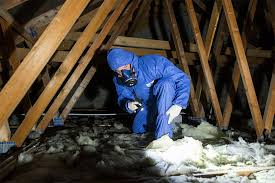
Asbestos Survey for Safe Workplace Environments: Key Facts, Data, and Insights
Creating safe workplace environments has become a critical priority for organizations across industries. One of the most important yet often overlooked elements of workplace safety is the asbestos survey. With asbestos survey increasing and employee awareness growing, asbestos surveys are now viewed not just as a compliance requirement, but as a strategic risk-management tool supported by data and real-world statistics.
Why asbestos surveys matter in modern workplaces
According to global occupational health data, asbestos exposure remains one of the leading causes of work-related respiratory diseases. Studies indicate that more than 60% of commercial buildings constructed before the year 2000 may contain asbestos-containing materials. Without a professional asbestos survey, these hidden materials can pose long-term health risks to employees, contractors, and visitors.
An asbestos survey systematically identifies the presence, condition, and risk level of asbestos within a property. This data-driven approach allows organizations to make informed decisions about maintenance, refurbishment, or removal, rather than relying on assumptions.
What does an asbestos survey typically assess?
From a statistical perspective, surveys focus on high-risk zones such as insulation systems, ceiling panels, flooring materials, and pipe lagging. Industry reports show that over 70% of asbestos findings occur in service areas and plant rooms, areas often accessed during repairs or upgrades.
The survey results categorize materials based on condition and disturbance risk. This structured assessment helps prioritize actions, ensuring that limited safety budgets are directed where they reduce risk most effectively.
How asbestos surveys support regulatory compliance
Regulatory bodies worldwide mandate that employers identify and manage asbestos risks. Data from compliance audits reveal that organizations with documented asbestos surveys are up to 80% less likely to face enforcement penalties compared to those without proper records.
Beyond avoiding fines, surveys demonstrate due diligence. They provide documented evidence that employers are actively managing health risks, which is increasingly important in legal and insurance evaluations.
Impact on employee health and productivity
Workplace health statistics consistently show a strong link between safe environments and employee performance. Organizations that proactively manage hazardous materials report lower absenteeism rates and improved workforce confidence. An asbestos survey contributes to this by reducing uncertainty and preventing accidental exposure during routine work.
From a human perspective, transparency around survey findings reassures employees that their safety is a genuine priority, not just a policy statement.
How often should asbestos surveys be reviewed?
While asbestos itself does not degrade quickly, building use and conditions change. Industry benchmarks recommend reviewing asbestos survey data every 12 to 24 months, or sooner if refurbishment or demolition is planned. Updated statistics ensure that risk assessments remain accurate and actionable.
The data-driven approach to safer workplaces
In today’s safety-focused environment, decisions backed by data carry more credibility. An asbestos survey transforms a hidden hazard into measurable information, enabling proactive planning rather than reactive response. With workplace safety statistics under constant review by regulators and stakeholders, asbestos surveys have become an essential component of responsible property and facilities management.
By investing in professional asbestos surveys, organizations protect their people, strengthen compliance, and contribute to healthier, more sustainable workplace environments.