Using Forex Indicators to Improve Trading Decisions
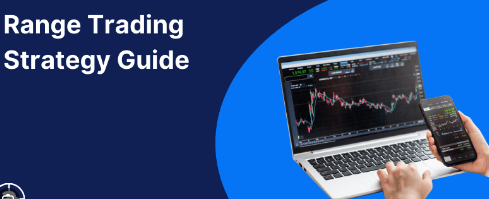
Forex indicators are analytical tools used by traders to evaluate price movements, market trends, and potential entry or exit points. They help simplify complex market data into actionable insights, enabling traders to make informed decisions rather than relying solely on intuition. By providing visual representations of price behavior, indicators allow traders to spot patterns, momentum, and volatility more effectively best trading indicators forex.
Which types of indicators are most commonly used in Forex trading?
Indicators generally fall into three categories: trend, momentum, and volatility. Trend indicators, like moving averages, help identify the overall direction of the market. Momentum indicators, such as the Relative Strength Index (RSI), measure the speed and strength of price movements, helping traders spot potential reversals. Volatility indicators, like Bollinger Bands, highlight price fluctuations, allowing traders to anticipate periods of consolidation or breakout.
How can trend indicators improve trading decisions?
Trend indicators are essential for identifying market direction. For example, a moving average can reveal whether a currency pair is in an upward, downward, or sideways trend. Traders often combine multiple trend indicators with different timeframes to confirm signals. This approach reduces the likelihood of false entries and increases confidence in making decisions aligned with the market’s overall movement.
Can momentum indicators help with timing trades?
Yes, momentum indicators are particularly useful for timing trades. Tools like RSI and MACD (Moving Average Convergence Divergence) provide insights into whether a currency is overbought or oversold. Overbought conditions may suggest that a price pullback is imminent, while oversold conditions can indicate a potential price recovery. Using these indicators in combination with trend analysis can improve precision in entry and exit points.
How do volatility indicators assist traders?
Volatility indicators measure market fluctuations and help traders anticipate price swings. Bollinger Bands, for instance, expand during periods of high volatility and contract during calm market phases. By observing these patterns, traders can decide when to adopt aggressive strategies or exercise caution, improving risk management and trade timing.
What is the best approach to using multiple indicators?
Combining indicators can provide a more comprehensive market view, but it is crucial to avoid overcomplicating analysis. Traders often select complementary indicators from different categories—trend, momentum, and volatility—to confirm signals. This balanced approach helps filter noise, reduce false signals, and increase the probability of successful trades.
Conclusion
Using Forex indicators effectively requires understanding their strengths and limitations. By integrating trend, momentum, and volatility indicators into trading strategies, traders can enhance decision-making, better anticipate market movements, and manage risk efficiently. Indicators are not guarantees of profit, but when applied thoughtfully, they are powerful tools for navigating the complexities of Forex markets.