
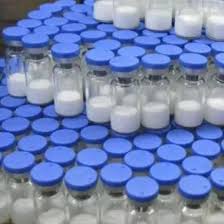
Why BPC-157 Is Gaining Momentum Among Active Adults: Emerging Insights and Trends
In recent years, interest in recovery-focused wellness compounds has increased significantly among athletes, fitness enthusiasts, and active adults seeking improved physical resilience. One of the emerging names in this space is bpc157 , a peptide that has been widely discussed in research-oriented wellness communities for its potential role in supporting tissue recovery and overall physical performance. As modern lifestyles place greater strain on muscles, joints, and connective tissues, individuals are increasingly exploring innovative approaches that may complement traditional recovery strategies. This growing curiosity is also fueled by online discussions, fitness forums, and preliminary scientific observations suggesting possible regenerative properties. While formal clinical consensus is still evolving, the attention surrounding this compound reflects a broader trend toward bio-optimization and preventive health practices among active populations worldwide.
Recent trends show a noticeable rise in curiosity-driven exploration of performance and recovery-focused compounds among active adults. Although comprehensive clinical datasets are still limited, multiple wellness surveys and digital behavior analyses suggest several consistent patterns:
Increased search activity related to peptide-based recovery solutions has grown steadily over recent years.
Fitness communities report a higher frequency of discussions centered on recovery time reduction and joint support strategies.
A shift toward personalized wellness optimization is influencing interest in experimental recovery approaches.
Active lifestyle demographics, particularly individuals aged 25–45, are leading engagement in advanced supplementation topics.
These indicators reflect a broader behavioral shift rather than definitive medical validation, highlighting how modern wellness culture increasingly integrates scientific curiosity with fitness goals. The growing attention around such compounds aligns with this trend, as users seek information on emerging options that may support performance sustainability and long-term physical maintenance.
Among active adults, frequently discussed topics revolve around how emerging wellness compounds are evaluated, what stages of research currently exist, and how such substances compare with established recovery practices like nutrition, hydration, physiotherapy, and structured rest. Interest is particularly strong in understanding whether experimental peptides may play a supportive role in connective tissue maintenance and post-exercise recovery frameworks. However, it is widely recognized that research is still developing, and conclusions remain preliminary in many areas.
From a statistical perspective, the growth in information-seeking behavior around recovery innovation reflects a broader transformation in fitness culture. Individuals are increasingly data-driven, relying on performance tracking, wearable technology insights, and evidence-informed supplementation strategies. This trend underscores a shift toward long-term health optimization rather than short-term performance gains alone.
Overall, the rising attention highlights a global movement toward science-informed wellness exploration among active populations seeking sustainable physical performance solutions.