Dr. Thanapoom Boonipat: How Art and Technology Influence Facial Surgery
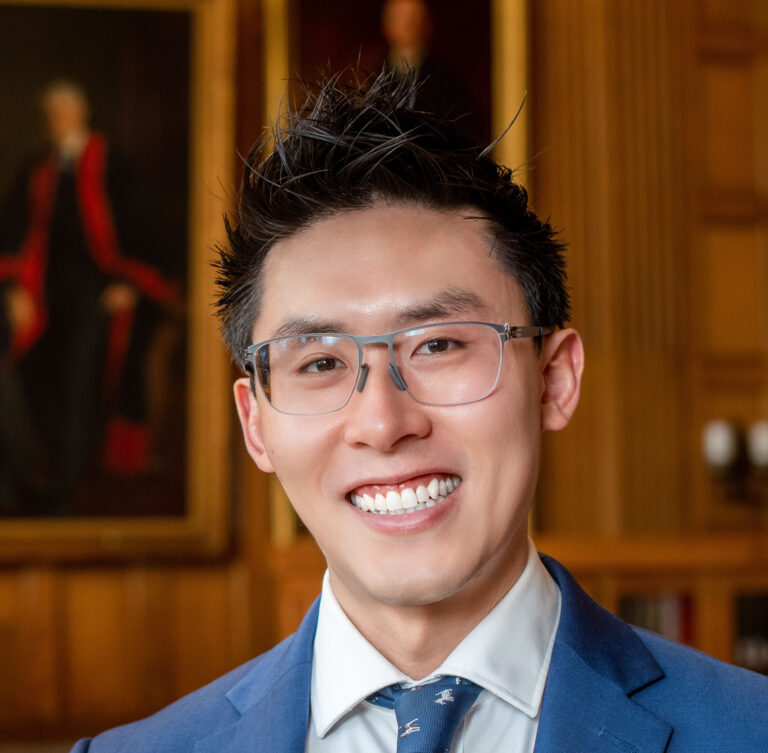
Facial surgery has evolved into a discipline where medical science, artistic judgment, and advanced technology work together to support balanced and individualized outcomes. Dr. Thanapoom Boonipat reflects this modern perspective, where understanding facial proportions is combined with careful surgical planning. Rather than treating facial features independently, contemporary aesthetic surgery considers how the eyes, nose, cheeks, lips, jawline, and chin interact to create overall harmony.
The Influence of Art on Facial Surgery
Art has long influenced the way beauty, proportion, and symmetry are understood. In facial surgery, these concepts can help surgeons evaluate the relationship between different features and determine how subtle adjustments may affect the overall appearance.
An artistic approach does not mean creating identical results for every patient. Facial characteristics vary considerably from one individual to another, making personalized assessment essential. The objective is generally to preserve distinctive features while improving proportion and balance. This requires close attention to facial contours, angles, symmetry, and the relationship between individual structures.
Technology and Surgical Planning
Technology has become an increasingly useful component of modern facial aesthetic procedures. Advanced imaging and digital visualization can support consultations by helping patients and surgeons communicate more clearly about potential changes. These technologies can also assist with evaluating facial proportions and developing an individualized surgical plan.
However, technology is most effective when combined with clinical expertise. Digital images and simulations are tools rather than guarantees of a particular surgical outcome. Factors such as anatomy, tissue characteristics, healing, and individual response can influence the final result.
Dr. Thanapoom Boonipat represents an approach in which technology can complement, rather than replace, detailed anatomical assessment and surgical judgment. This combination allows aesthetic planning to remain both technically informed and responsive to each patient’s facial structure.
Balancing Precision With Natural Results
Natural-looking outcomes remain an important consideration for many people exploring facial surgery. Patients may seek improvements that are noticeable yet maintain their recognizable appearance. Achieving this balance requires careful planning and an understanding of how modifications to one area can influence surrounding features.
Precision is particularly important when making structural changes. Small differences in proportion can affect facial harmony, which is why consultation, measurement, and individualized treatment planning are valuable parts of the process. Patients should also understand recovery requirements, potential risks, and realistic expectations before proceeding.
The Future of Facial Aesthetic Surgery
The continued development of digital imaging, planning systems, and surgical techniques is likely to provide clinicians with increasingly sophisticated tools. At the same time, artistic judgment and knowledge of facial anatomy remain fundamental to achieving harmonious results.
For individuals considering facial surgery, researching a surgeon’s experience, treatment philosophy, communication approach, and use of technology can provide useful context when evaluating options. Dr. Thanapoom Boonipat highlights the intersection of artistic understanding and technological development in modern facial surgery, demonstrating how these elements can work together to support precise, personalized, and balanced aesthetic planning.