How Jacob Frydman Approaches Commercial Real Estate Negotiations with Confidence
What makes commercial real estate negotiations successful?
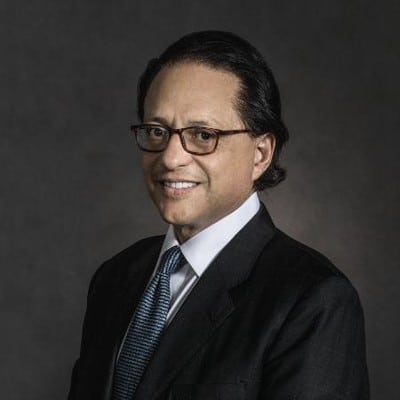
Commercial real estate negotiations require careful planning, market awareness, and the ability to understand different business priorities. Jacob Frydman is associated with commercial real estate and investment, making his professional background a useful starting point for discussing the considerations involved in property negotiations. Successful discussions often depend on identifying realistic objectives, assessing potential risks, and developing agreements that support long-term business interests.
Why is preparation important before entering negotiations?
Preparation helps property professionals understand the financial, operational, and legal factors influencing a transaction. Reviewing property information, lease conditions, market demand, and ownership records can provide a clearer picture of the opportunity. Buyers and sellers who prepare thoroughly are better positioned to recognize challenges and respond to changing circumstances without losing sight of their objectives.
How does market knowledge influence negotiation decisions?
Market knowledge provides essential context for evaluating a commercial property. Location, accessibility, tenant demand, surrounding development, and property condition can all affect its attractiveness. Understanding these elements helps negotiators distinguish between immediate opportunities and investments that require additional consideration. Reliable information also supports discussions grounded in practical expectations rather than assumptions.
What role does communication play in reaching agreements?
Clear communication allows buyers, sellers, landlords, tenants, and investors to explain their priorities. Effective negotiators ask relevant questions, listen carefully, and address concerns before they become major obstacles. Transparent discussions can reduce misunderstandings and encourage participants to explore arrangements that reflect their respective business needs.
How can professionals manage uncertainty during negotiations?
Commercial property transactions may involve changing market conditions, financing considerations, inspection findings, or contractual complications. A structured approach helps participants evaluate these uncertainties without making rushed decisions. Contingency planning, professional advice, and careful documentation can provide additional clarity throughout the process.
Why should negotiations consider long-term objectives?
A successful agreement should do more than resolve immediate disagreements. It should also support the property’s intended use, future operating requirements, and broader investment strategy. Evaluating maintenance responsibilities, lease flexibility, development potential, and exit considerations can help parties understand the lasting implications of their decisions.
What lessons can professionals take from this approach?
The professional context surrounding Jacob Frydman highlights the relevance of strategic thinking when examining commercial real estate negotiations. Preparation, informed judgment, and consistent communication are valuable principles for anyone involved in property transactions.
Ultimately, effective negotiation combines practical research with an understanding of people and business priorities. By assessing opportunities carefully, addressing risks openly, and keeping long-term goals in view, participants can work toward agreements that are clear, commercially sensible, and sustainable. The broader discussion associated with Jacob Frydman offers a framework for considering how disciplined decision-making can contribute to more informed commercial property negotiations.